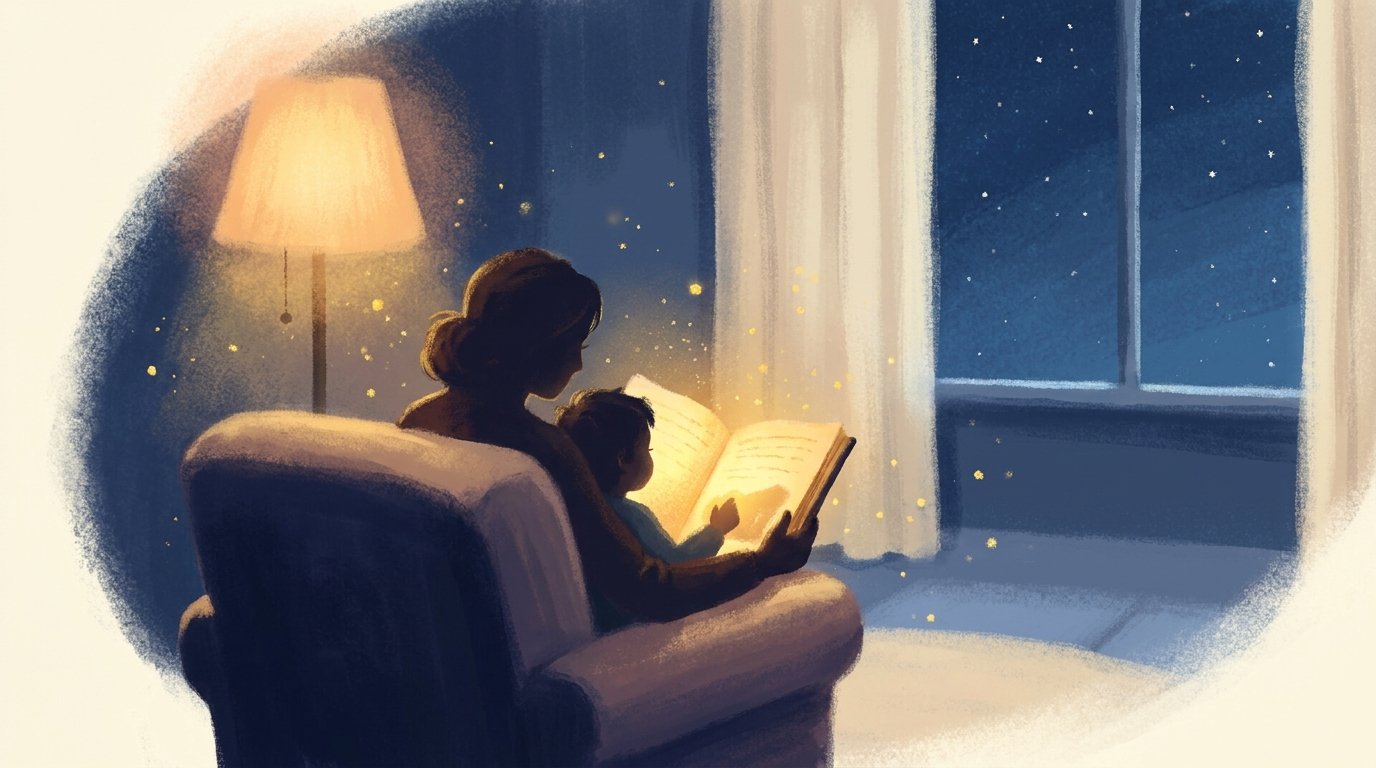
Helping a Child Who Finds Reading Hard
A warm, low-pressure guide from a teacher on building reading confidence at home, grounded in the Science of Reading.
By Julie, a longtime high school English teacher and Lampling's founder · 4 min read

Start With Confidence, Not Pressure
If reading is hard for your child, you are not alone, and neither are they. Many kids find this part of school tricky. It does not mean they are behind for life.
I taught high school English for many years, so I met hundreds of readers, including plenty who still found it hard. The kids who grew the most were not always the fastest. They were the ones who felt safe trying. Confidence comes first. Skill follows.
So take the pressure off. Your child does not need to read perfectly tonight. They just need to feel that books are warm, not scary. That feeling is the real foundation.
Keep your face calm and your voice kind. When a child senses you are relaxed, they relax too. That open, easy mood is where learning happens.
Read Aloud to Them Every Day
The single best thing you can do is read aloud to your child. Experts across reading and pediatrics agree on this. Daily read-alouds help in a deep way.
When you read to them, you do the hard work for now. They get to enjoy the story. They hear how words sound and how sentences flow. They build vocabulary without even trying.
Reading aloud also grows comprehension, which is one of the five parts of learning to read. Your child learns that stories carry meaning, not just sounds on a page.
Let them lean on you. There is no rush to hand the book over. A child who loves being read to will often want to read back when they feel ready.
Let Them Read Back When They Want
When your child does want to try, say yes with a smile. Keep it their choice. A page is plenty. One line is plenty.
If they get stuck on a word, wait a few seconds. Give them a chance to work it out. If it is too hard, just say the word warmly and move on. Do not turn it into a lesson.
This is where decodable books help. These are books written so kids can sound out the words using letter patterns they have learned. The reading feels possible, not like guessing.
Decodable text matches the Science of Reading, which shows kids learn best when they truly decode words rather than guess from pictures. Small wins build real skill, and real skill builds confidence.
Make Reading Easier on the Eyes
Some children read better when the page itself is friendlier. A few simple changes can lower the strain and help words feel less crowded.
Look for clear, simple fonts. Many families like a plain, evenly spaced typeface. Extra space between letters, words, and lines can make a real difference too.
Shorter lines and larger text help as well. These are often called dyslexia-friendly supports, and they can help any child who finds reading hard, not only kids with dyslexia.
You do not need a diagnosis to use these tools. If a setting makes reading feel easier and happier for your child, that is a good enough reason to use it.
Practice in Short, Happy Bursts
Long reading sessions can wear a tired child out. Short bursts work better. Five or ten happy minutes beat thirty tense ones.
Stop while it is still going well. Ending on a good note means your child will look forward to next time. That is how you build a steady, gentle habit.
Tie it to a calm routine, like a few minutes before bed. A warm, predictable bedtime helps children feel safe, and safe children learn more easily. Try to keep screens off in the hour before sleep, which pediatric guidance supports for better rest.
This is part of why a nightly story can be such a gift. A simple bedtime read, like the kind Lampling sends, gives you that quiet moment together night after night, no screen in front of your child.
Praise the Effort, and Talk to the Teacher
Praise what your child did, not just what they got right. Try saying, you really worked at that hard word, or, I love how you kept going. Effort is what you want to grow.
Avoid words like slow or behind. Children believe what they hear about themselves. Kind words build a reader who keeps trying.
If you stay worried, talk to your child's teacher. Share what you see at home and ask what they see at school. Teachers can suggest next steps and extra support.
You do not need to label or diagnose anything yourself. If a deeper concern comes up, your teacher or doctor can guide you. Groups like Reading Rockets and the International Dyslexia Association also offer trustworthy, parent-friendly help. You are doing a loving thing just by showing up for your child.
Questions parents ask
My child hates reading. How do I start?+
Start by reading aloud to them, with no pressure to read back. Keep it short and warm, like a few minutes at bedtime. When books feel safe and fun, willingness to try usually follows.
What are decodable books, and why do they help?+
Decodable books are written so kids can sound out the words using letter patterns they have learned. This matches the Science of Reading and lets your child succeed by truly reading, not guessing, which builds confidence.
Should I get my child tested for dyslexia?+
You do not need to diagnose anything yourself. If you stay worried, talk to your child's teacher and doctor. In the meantime, dyslexia-friendly tips like clear fonts and extra spacing can help any child.